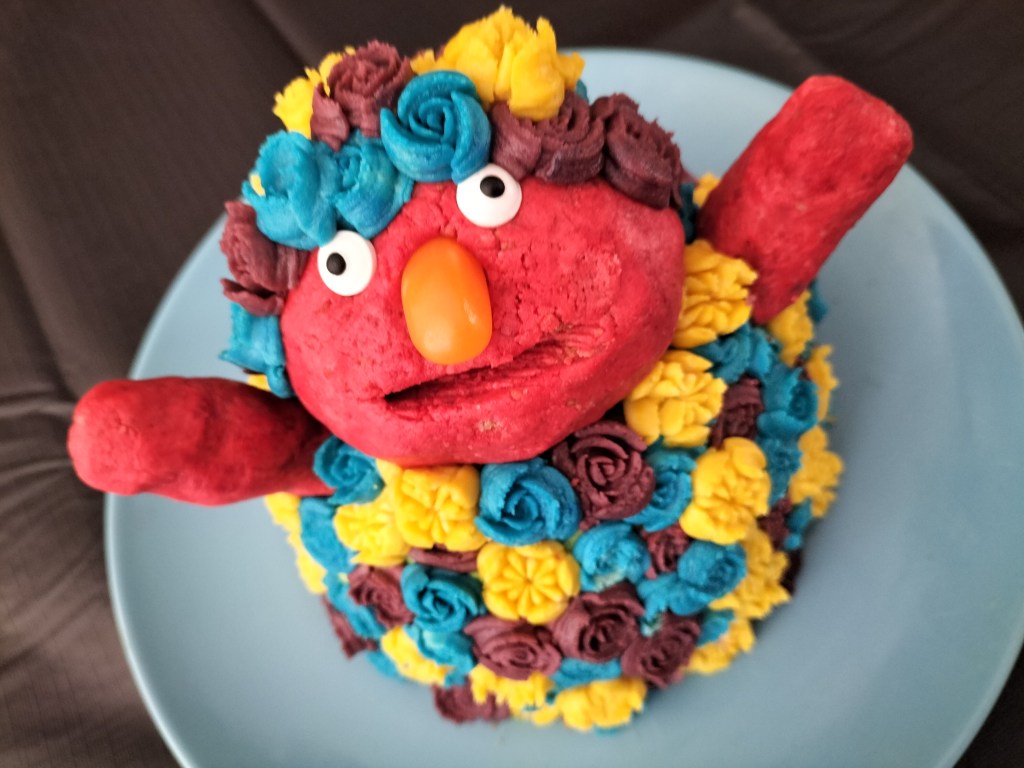
Baby Shower game idea

You’ll need: plain newborn onesies, fabric markers, and prizes

The game: guests draw designs on the onesies, with prizes for funniest, best design, etc.

The best part is that in those early days of late nights, when you’re changing your baby for the fifth time, you’ll see a fun design that reminds you of a loved one!

Agatha stared at the empty change table where her baby had just been lying. Frowning, her finger traced the charred lines of the demonic sigil now burned into the mattress. It was reversed of course, transferred from the back of the onesie she had just dressed little Lucy in. She’d only looked at the front as she grabbed it from the pile:

       Property of _______

She thought it had been a boring design. She should have known to check the back. It was a basic rule: anything can be a contract, provided it’s signed. It’s your responsibility to inspect the entire document.

The needle hidden under the zipper was a cheap move, but it had drawn enough blood to stain the onesie, sealing the contract.

Agatha sighed and pinched the bridge of her nose, avoiding the wart. She shouldn’t have invited demons to her baby shower, but she’d gone overboard on her gift registry and wanted to pad the numbers. After all, it had been the first firstborn child she’d successfully bargained for.

The next time she traded witchcraft for a baby, she’d just ask for gift cards.

Reminders

The sun is shining brightly outside
And your friends call you to play
But you must are safe inside
So inside you will stay

Friends tell you to leave your room
That they have a great surprise
But you turn up the volume
So the music covers their lies

They chide that you are better now
And well enough to join their games
But you still feel the scars
A reminder of the schoolhouse flames

They visit on the same day each year
Identical to the friends you once knew
Tomorrow they will disappear
Your childhood friends who never grew

Two Sentence Stories (part 22)


She was determined to achieve her goal: a post every day of October, starting today. The calendar beside her, yet to be consulted, showed the date to be 2/10/24.


She complained loudly about how dodgy it was for police to look into people windows to look for phone use at red lights, then listened for the sound of guilty shuffling in the backseat. As she pulled through the now green light, she tried to think of another way to stall the man she’d just noticed hiding in the backseat.


After being separated for over a year , Anne readily agreed to her shocked husband’s request to test the paternity of the baby she held.

After all, they wouldn’t be comparing her DNA.


Nursery

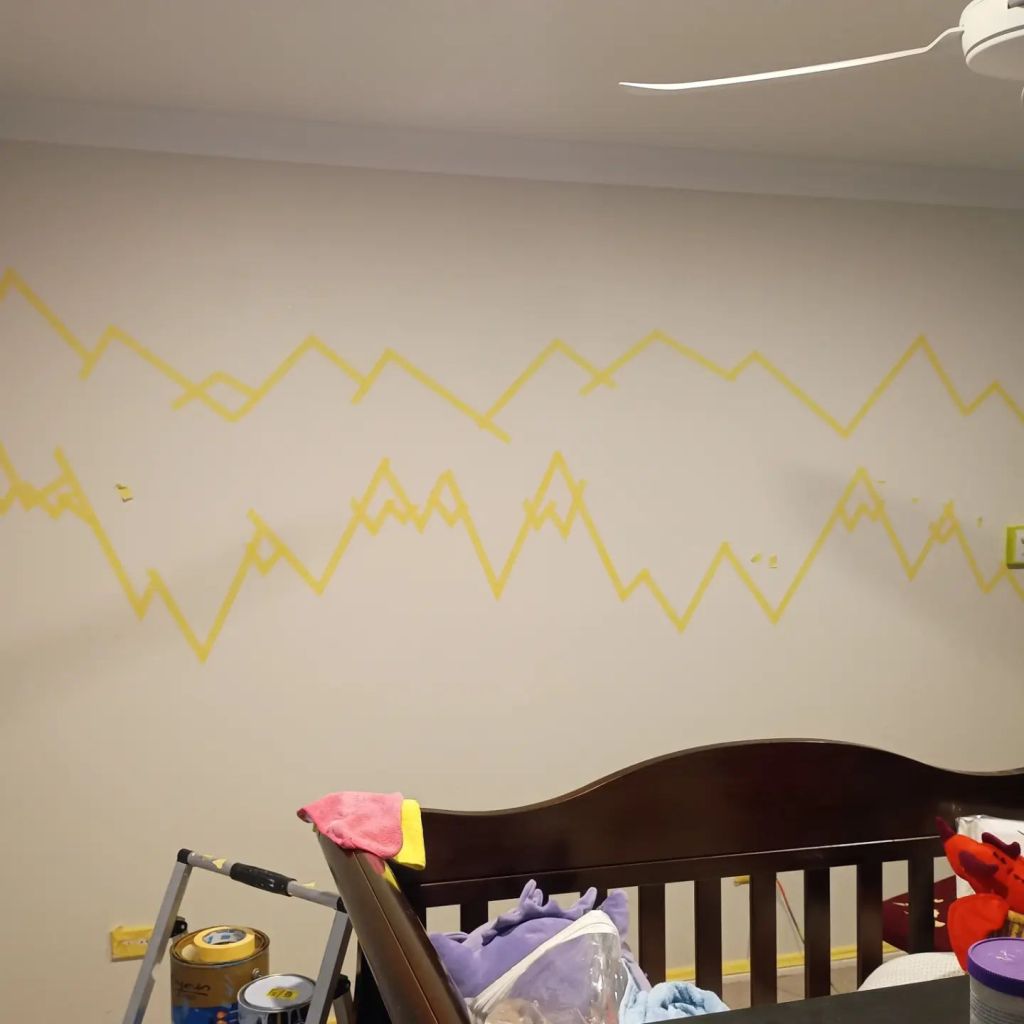
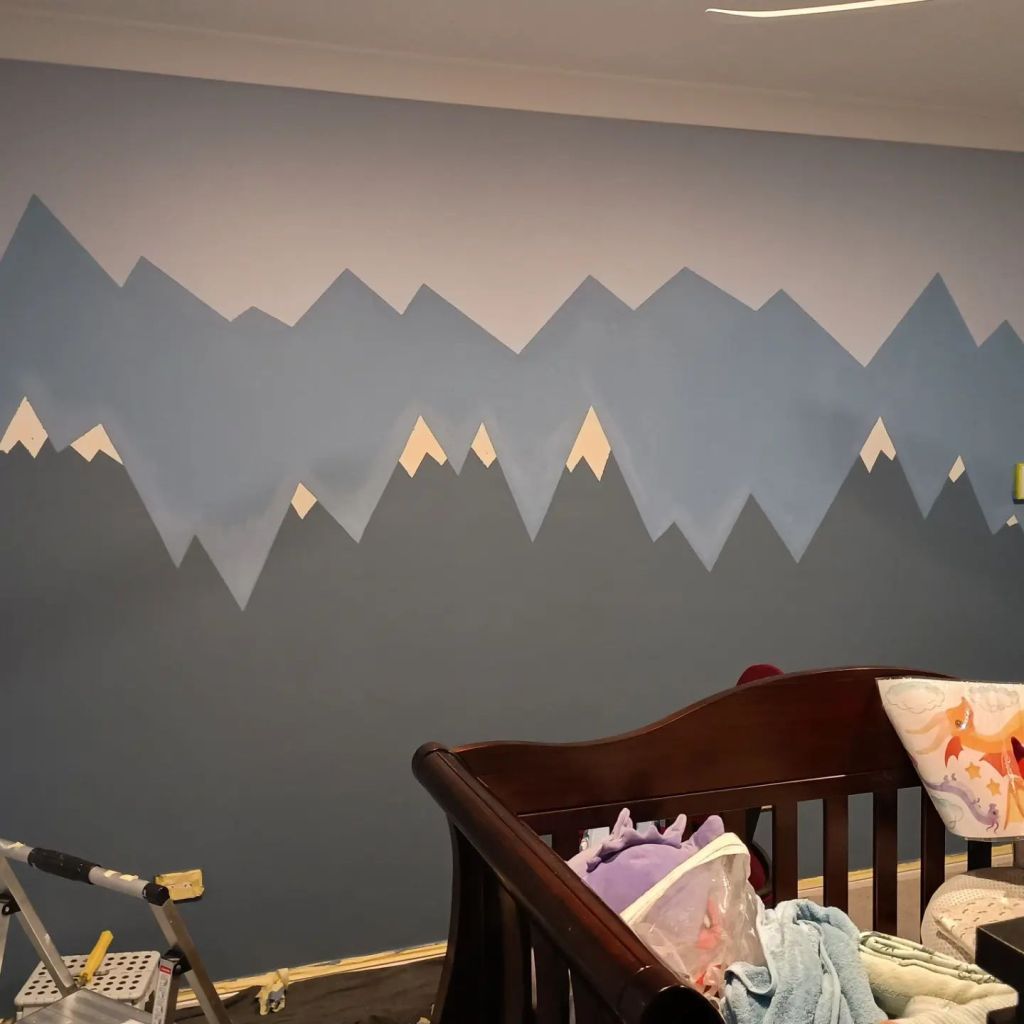
My last project, prior to my son arriving, was to paint a room he’s yet to sleep in.

First I taped off the outlines on the mountains
Then I painted the bottom mountains and the sky
Once that dried, I moved the tape onto the painted sections, and filled in the middle
Then I neatened the lines with a small brush

Return

I’m going to be posting daily in October, in honour of the spookiest month and as an excuse to not try nanowrimo.

I’ve been slack lately, but that’s not my fault. No one told me that when you have a baby, the hospital makes you take it home with you.

The Factory

My grandfather worked at the factory in town.

He was the eldest of his siblings, so it was always understood that he would work there, as his father had before him. When his firstborn child was born, my uncle, the same was assumed for him.

The factory had operated in our town as long as anyone could remember. The lights always remained on and the smoke always poured out of the stacks. Not a person in our town could remember a day of clear sky: we had always lived beneath tendrils of grey smoke, reaching like ethereal tendrils towards the sky. On days where staff was limited and the smoke could not reach as high, it would seem to curve back down, searching for fuel. Work always returned to full production before they reached the town. Always.

The layout of the factory had likewise remained consistent. The top floor was where the stacks were maintained. Keeping them clean and clear was a full-time job for multiple people.

The next floor filtered debris from the stacks. Those that cleaned out the stacks threw the waste to waiting workers, who sifted what there was of value from it. Most ended up in the incinerator, but enough gems and precious minerals filtered up to make the job worth it.

The next floor fed things down a separate array of chutes. Things that other towns paid us to take away. Things wrapped in bags and carpets and sealed in rusting barrels that needed to never return. We did not question the contents. We did not question the regularity. The outside world would entrust us with their secrets, and in return they never questioned what we did with them. Silence was the reassuring truce between our town and world outside.

The bottom floor, the only subterranean floor of the building, was the school. It was assumed that any firstborn women in town would be assigned to work there. My grandfather always pitied them for it.  

My uncle started attending when he was five, as did all the firstborn children in the town. Every night, he was collected from home by the school attendants, and he was returned shortly after dawn, when the factory workers had already filed in. My grandfather only saw my uncle in passing in those years. As he finished his shift and left for home in the evening, he saw his son screaming as the school attendants carried him inside. When he returned for work in the morning, he would see his son being carried home to his mother, now silent, still and grey.

One day he did not pass his son. None of the workers entering that morning saw any of their children being taken home. There was one path to the factory, and no one had passed a single person leaving.

My grandfather was the first to venture downstairs to the school. The doors, which were locked from the outside by a rotation of attendants, remained bolted. He demanded the catatonic woman who curled beside her chair unlock them. She shook and repeated that the knocking had been wrong. It was wrong. Not their signal. Not their hands. Not the hands of the children. It was wrong.

He took the keys from her. He still has the scars on his forearms: marks showing where fingernails met bone.

He unlocked the doors and went in search of his firstborn son.

He does not tell the rest of this story. It is a story told in absence. There were no ambulances called. There was no cleaning or investigation. There were no survivors retrieved. Those who dug graves refilled them with empty coffin and decorated them with blank markers.

The bottom floor of the factory was filled in with concrete the next day. Deals were made with neighbouring towns for the supplies. They left even more assured of our townโ€™s confidentiality, as no one in the town would speak of their reasons.

Over the following weeks, the factory was alight with activity at all hours. A new storey was added and the stacks were raised. The new school was the ground floor, atop a base never to be reopened. The factory is now completely above ground: four stories tall.

Read More »

Two Sentence Stories (part 21)


Peeling off the wallpaper had been so satisfying that Susan had been unable to stop, peeling the walls back to bare beams. Still not satisfied, she began picking at her calluses.


It shouldn’t have still been dark when his alarm went off, but when Michael looked out the window there was no light shining through. Only once he turned on the bedroom light did he see the shifting, smittering swarm of wings, legs and stingers pressed against the thin glass.


Dana had told her boyfriend that if he punched another hole in the wall, she would leave him. As she patched up the plaster, she reminded the bound figure on the other side that she never said she’d leave him for anyone to find.


Rational

Every calculation had been run, but there simply wasn’t enough food for the crew to survive the journey.

The first six months had gone smoothly. The spaceship had safely exited their solar system, and they were on track to reach the new planet in another year. Then the hull was breached by errant debris.

Decompression was immediate. The crew’s lives were saved by the security system, which immediately sealed off the damaged section – the same section that contained their supplies for the journey.

The 8 surviving crew members were each vital to the mission. While each wondered if they could have gotten by if one of them had been lost in the accident, not a one of them could now be allowed to starve.

The botanist kept at work, growing as much food as they could, but it wouldn’t be enough for everyone. Either all would starve slowly, or they would need to supplement.

Not a member of the crew will say to this day which of them first suggested that they look to “other supplies”,but in time their precious cargo, vital for the colonisation of the new planet, became a necessary sacrifice.

80% of the cargo survived the journey. 20% had to be vented out to prevent illness and disease.

The official report listed a “failure with the refrigeration system”, but if inspected, not one of the sleeping pods were faulty.